Hard water in Barcelona: how to remove limescale from taps, shower screens, water heater and washing machine
November 10, 2026 · 6 min
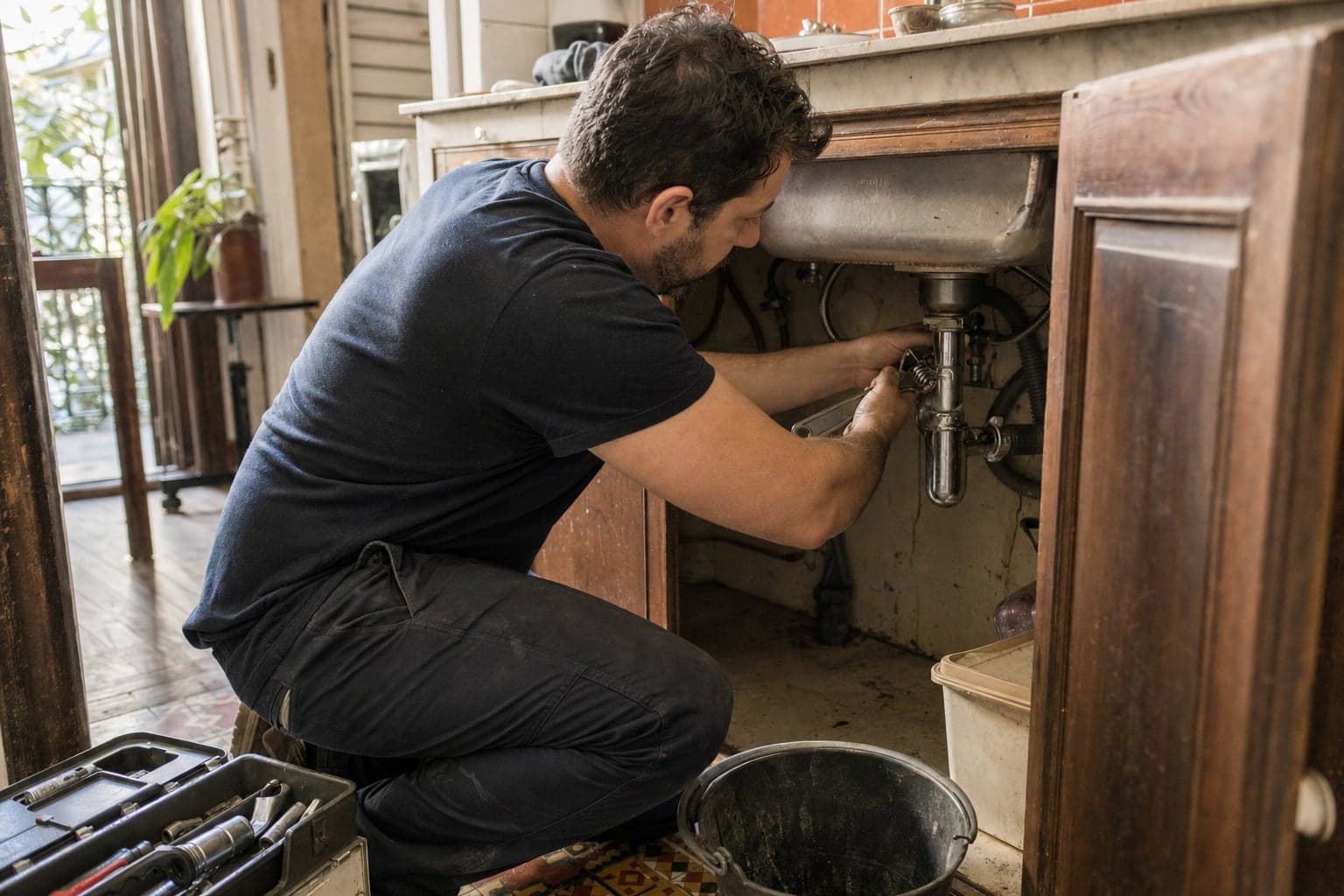
Limescale on taps, aerators, shower screens and shower heads comes off with cleaning vinegar or diluted citric acid, left to work and then rinsed, and you prevent it by drying surfaces after use. The water heater and the washing machine build up limescale inside, where you cannot see it, so they need periodic checks. If limescale returns within days however much you clean, the long-term fix is a whole-home water softener, with installation from €180, unit extra.
Why there is so much limescale in Barcelona water
In much of Barcelona and its metropolitan area the tap water is hard: it carries a fair amount of dissolved calcium and magnesium. It is safe to drink, but when it heats up or evaporates it leaves that white layer on taps, shower screens and inside the water heater. Hardness varies by area and by where the water comes from; for your neighbourhood's figure, check the water quality information published by your supplier (Aigües de Barcelona in the city). It will also help you set up your dishwasher.
Which products to use and which to avoid
| Product | What it is for | Be careful with |
|---|---|---|
| Cleaning vinegar or white vinegar | taps, aerators, shower heads, glass screens | marble and natural stone, which acids damage |
| Citric acid dissolved in hot water | kettles, coffee machines, aerators, glass | the same stone surfaces; wear gloves |
| Shop-bought limescale remover | tougher deposits | follow the label and ventilate the bathroom |
| Microfibre cloth or squeegee | drying and prevention | nothing; it is the most effective daily habit |
| Green scourer or steel wool | nothing in the bathroom or on taps | they scratch chrome and glass |
Two safety rules: never mix vinegar or limescale remover with bleach, because it releases toxic gases, and for taps with special finishes (matt black, gold, copper) check the manufacturer's advice first.
How to remove limescale from taps and aerators
- Unscrew the aerator from the tap spout by hand or with a spanner wrapped in a cloth so it does not scratch.
- Leave it in a glass of vinegar, or hot water with citric acid, for one to two hours.
- Scrub the mesh with an old toothbrush, rinse and refit it.
- For the base of the tap, wrap it in kitchen paper soaked in vinegar, wait half an hour, scrub and rinse.
- Dry it with a cloth: if it stays wet, the limescale comes back sooner.
- If the tap drips, is stiff to open or the cartridge makes noise, the limescale is already inside and replacing the cartridge or the tap is usually the practical option.
Shower screens and shower heads
- Run a squeegee or cloth over the screen after showering: it is the habit that prevents the most limescale.
- Once a week, spray vinegar diluted in water, leave it a few minutes and rinse with hot water.
- For the shower head, take it off and soak it in vinegar or citric acid; if it does not come off, tie a bag of vinegar around it for a few hours.
- Scrub the holes with a soft brush or rub the rubber nozzles so the limescale comes out.
- Check the screen's profiles and seals: limescale in the tracks makes sliding doors stick.
The electric water heater: the limescale you cannot see
Inside the water heater, limescale settles at the bottom and on the heating element. Vinegar will not clean it: the tank has to be drained, the element flange removed, and the magnesium anode, which protects the tank from corrosion, checked too. It is a job for a plumber. Signs that your water heater is loaded with limescale:
- It makes noises, such as crackling or bubbling, while heating.
- It takes longer to heat than before, or the hot water runs out sooner.
- The RCD trips when the water heater switches on.
- Cloudy water or white particles come out of the hot taps.
- The safety valve drips more than usual.
Washing machine and dishwasher
- Dishwasher: fill the regenerating salt compartment and set the hardness level in the menu using your water supplier's figure. If dishes come out with white marks, start here.
- Washing machine: dose detergent according to the hardness guide on the pack; hard water usually needs a little more.
- Now and then run an empty hot cycle with the descaler the manufacturer recommends; before using vinegar, check the manual because of the rubber seals.
- Clean the washing machine filter and the detergent drawer every few months.
- If the washing machine's water connection or valve drips because of limescale, replace it before the leak gets worse.
Preventing limescale: softener, reverse osmosis and prices
Cleaning removes the limescale you can see; a water softener stops it forming throughout the home, because it treats the water where it enters the property. It works with resin regenerated with salt and needs space, a drain and usually a socket. Reverse osmosis, by contrast, only treats the water from the kitchen drinking tap: it improves the taste and protects the coffee machine, but does not reach the shower, the water heater or the washing machine. Our indicative reference prices:
| Job | Indicative price | Note |
|---|---|---|
| Water softener installation | from €180 | unit not included |
| Reverse-osmosis system installation | from €90 | unit not included |
| Tap or mixer replacement | from €60 | tap not included |
| Electric water heater installation | from €150 | heater not included; removal of the old one included |
| Call-out + first hour (water heater check or other jobs) | from €60 | travel within Barcelona included |
Frequently asked questions
Does vinegar damage taps? On standard chrome taps, used diluted and rinsed off afterwards, it rarely causes problems. Avoid leaving it for hours on special finishes and do not use it on marble or natural stone.
How often should the water heater be checked for limescale? With hard water it is worth checking every few years, or sooner if it is noisy or heats less well. During the check it is drained, the limescale at the bottom is cleaned out and the anode is inspected.
Does reverse osmosis prevent limescale in the shower? No. Reverse osmosis only treats the water from its own kitchen tap. For the shower, the screen and the water heater you need a softener at the home's water inlet.
Is a water softener worth it in a rented flat? It depends on the landlord, because it is connected to the main installation. If that is not possible, regular cleaning and drying surfaces is the most effective approach.
How much does it cost to install a water softener in Barcelona? Installation costs from €180, unit extra. The final price depends on where the unit goes and whether there is a drain and a socket near the water inlet.
If limescale is already causing trouble in your water heater or taps, or you want a water softener installed, ask for a free quote from our plumbing service in Barcelona and we will reply within 24 hours.
This article is part of our Plumbing service.